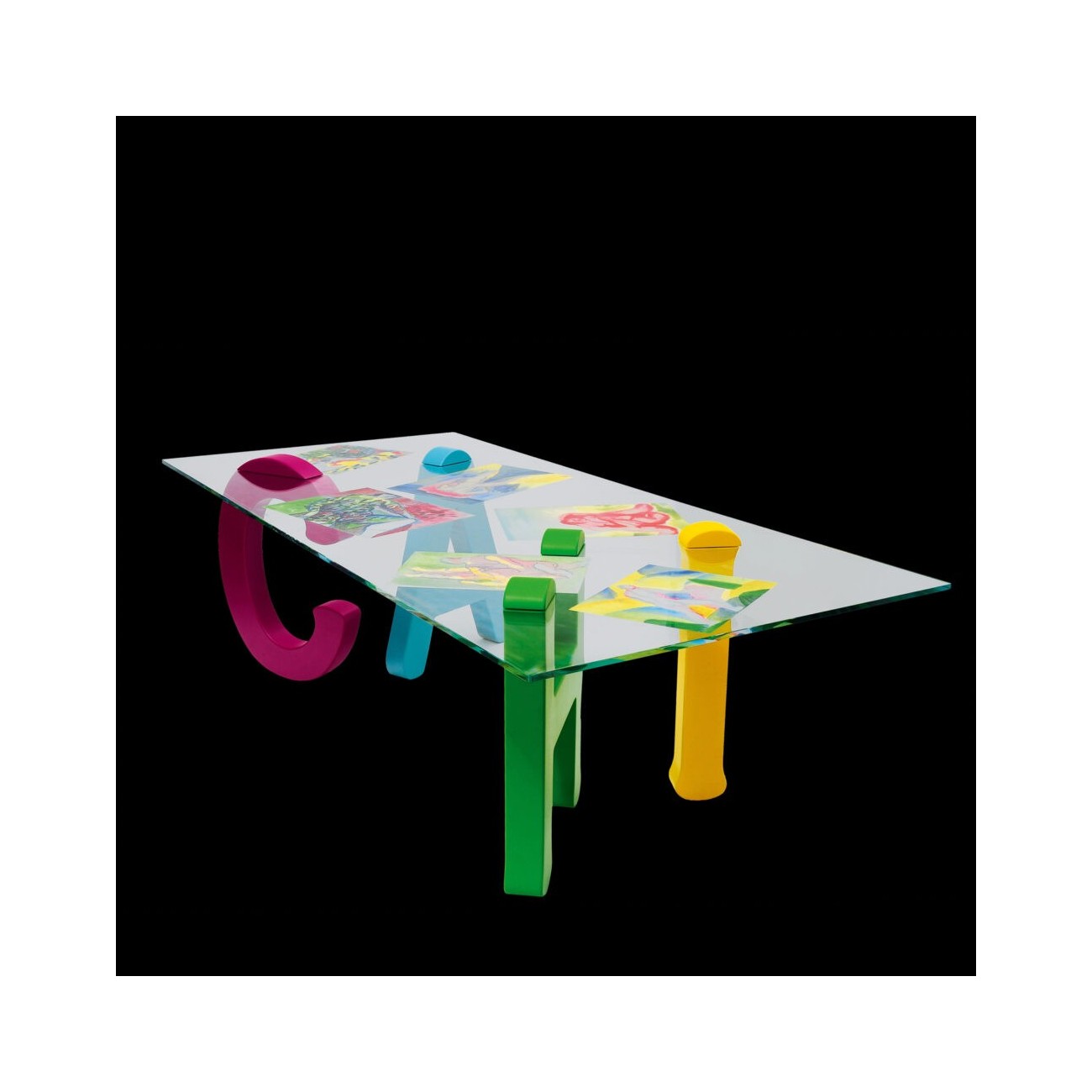
Cleto Munari Cleto Munari CLETO MUNARI TABLE SANDRO CHIA The Table, designed by Sandro Chia in 2008, merges art and design into a single creative gesture. View
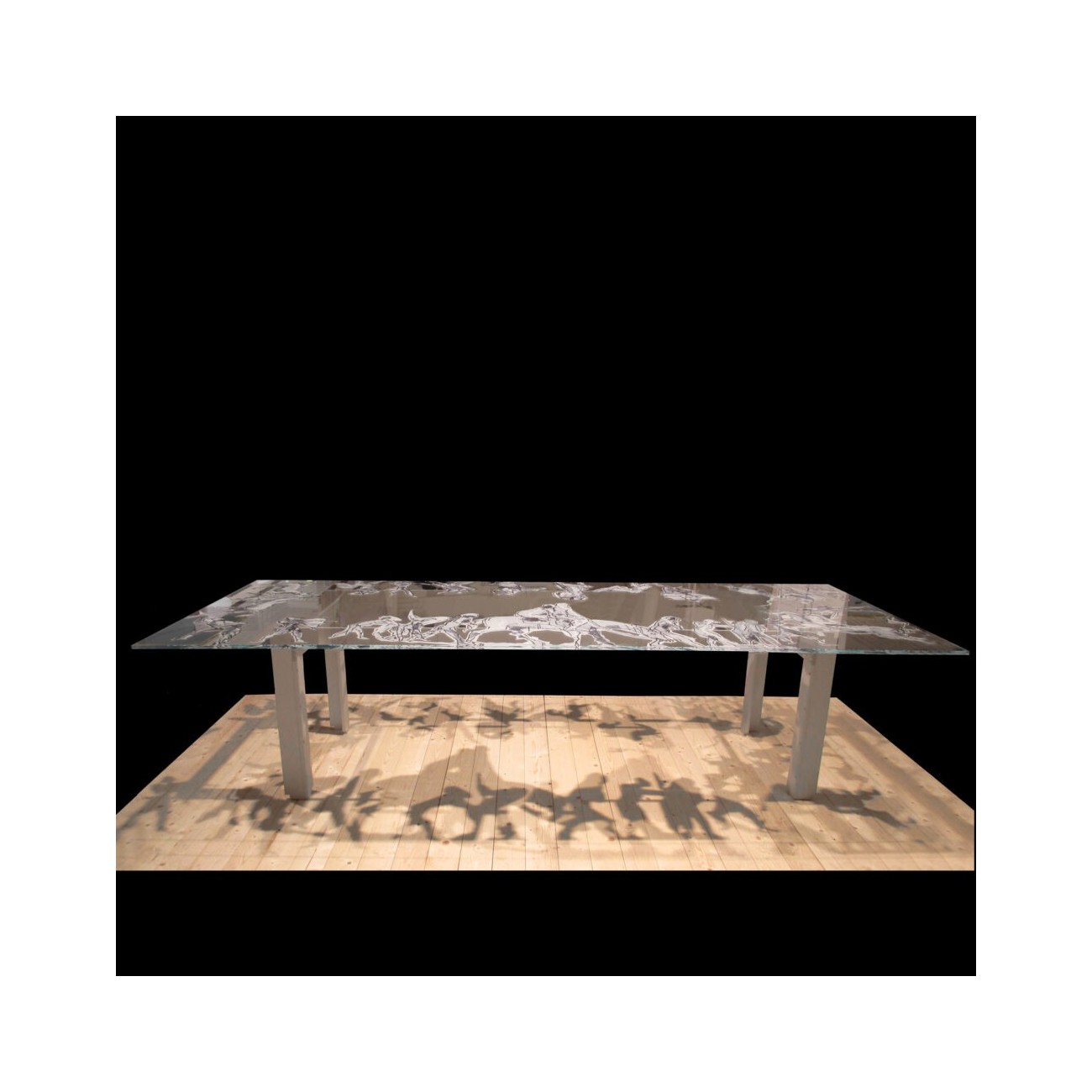
Cleto Munari Cleto Munari CLETO MUNARI DESCOVERTA DELLE AMERICHE TABLE Dario Fo The Descoberta delle Americhe table by Dario Fo, created in 2008 in a limited edition of 99 pieces, transforms the glass top into a narrative canvas. View
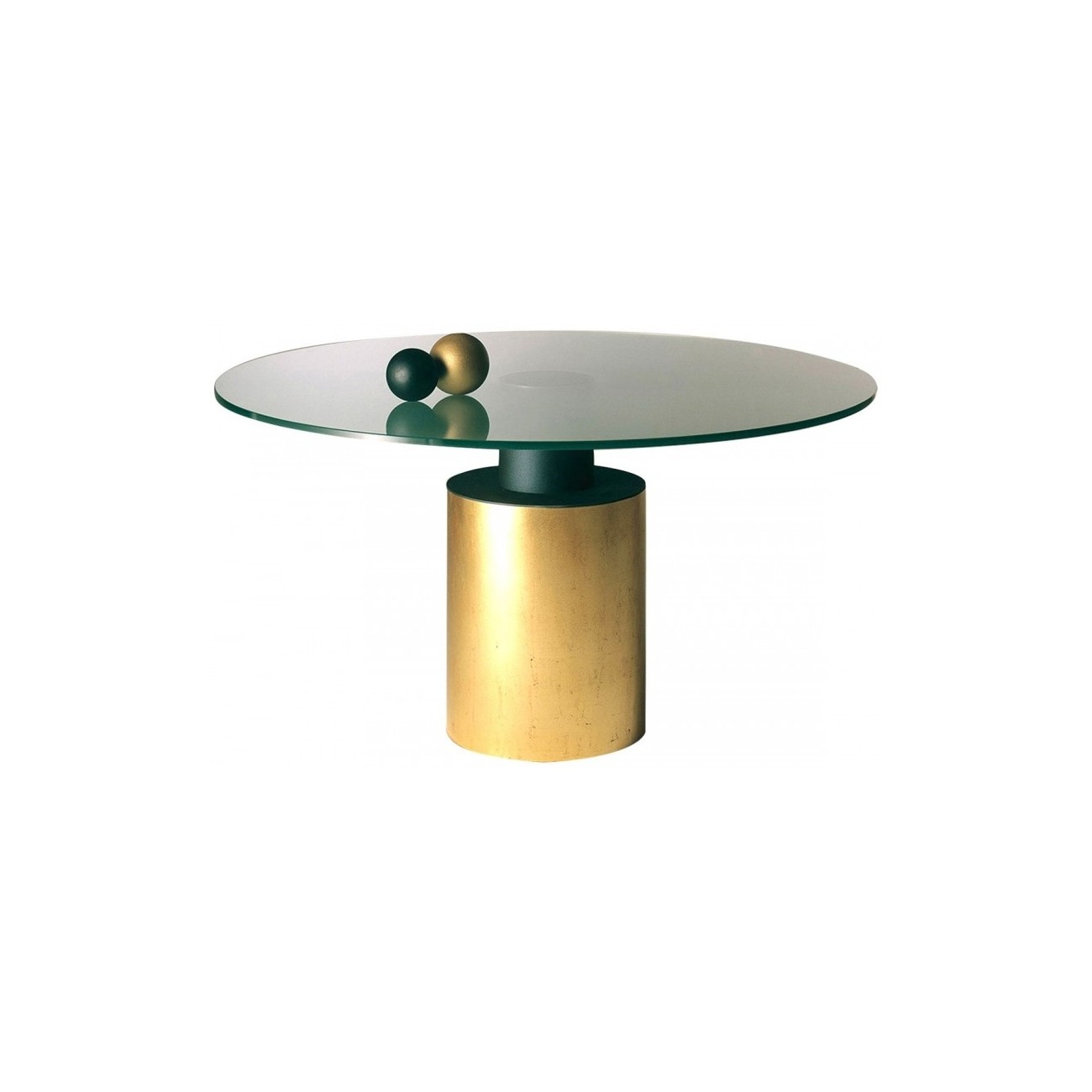
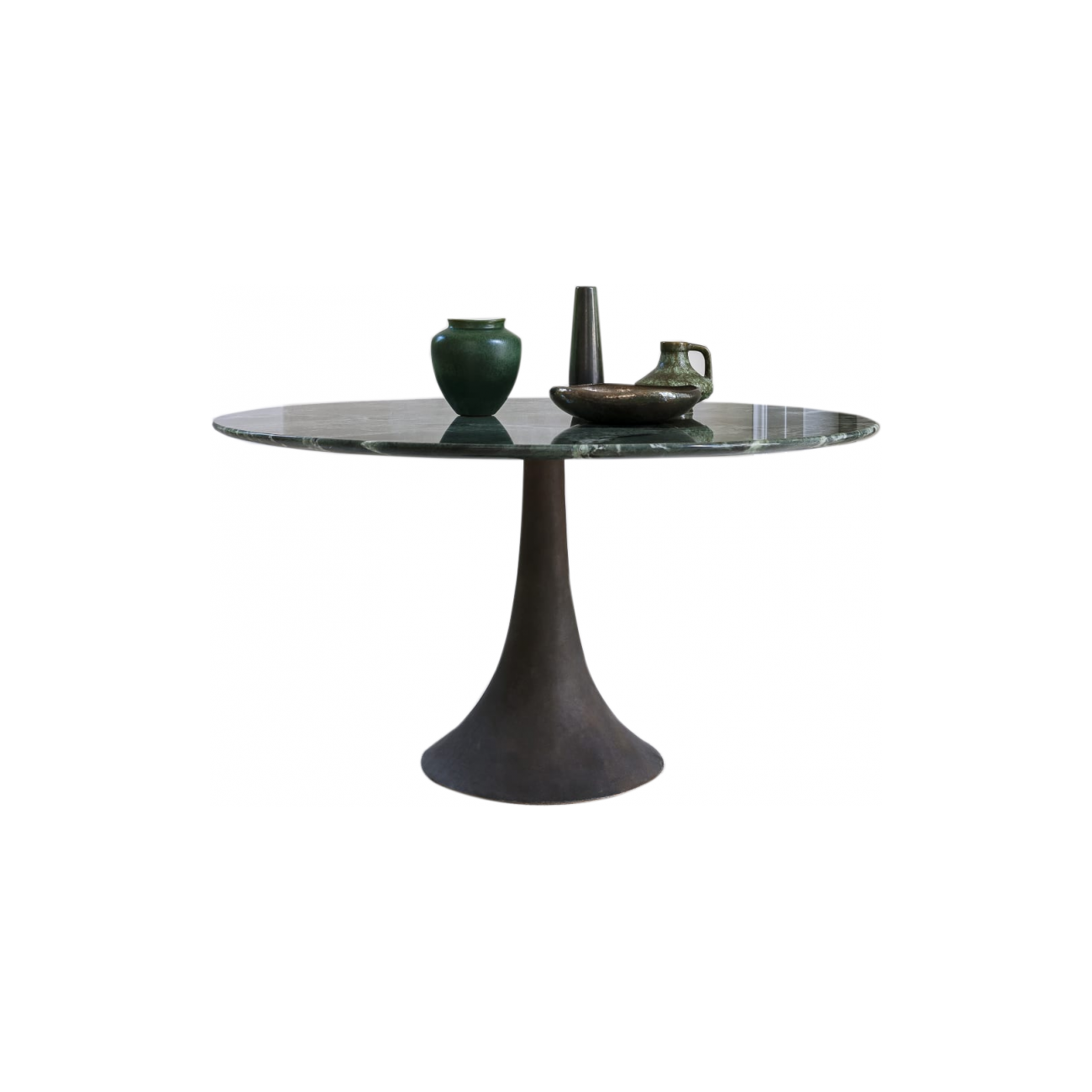
Tables Acerbis ACERBIS TABLE CRESEO GLASS 22382 Creso by Acerbis, designed by Lella and Massimo Vignelli, merges a ø40 cm variously finished metal pedestal—gunmetal, orbital bronze, or brass-clad—with micaceous gray capital and extra-light crystal rounds at 125/135 cm diameters and 72 cm height, fixed via visible stainless steel discs for transparent drama. View
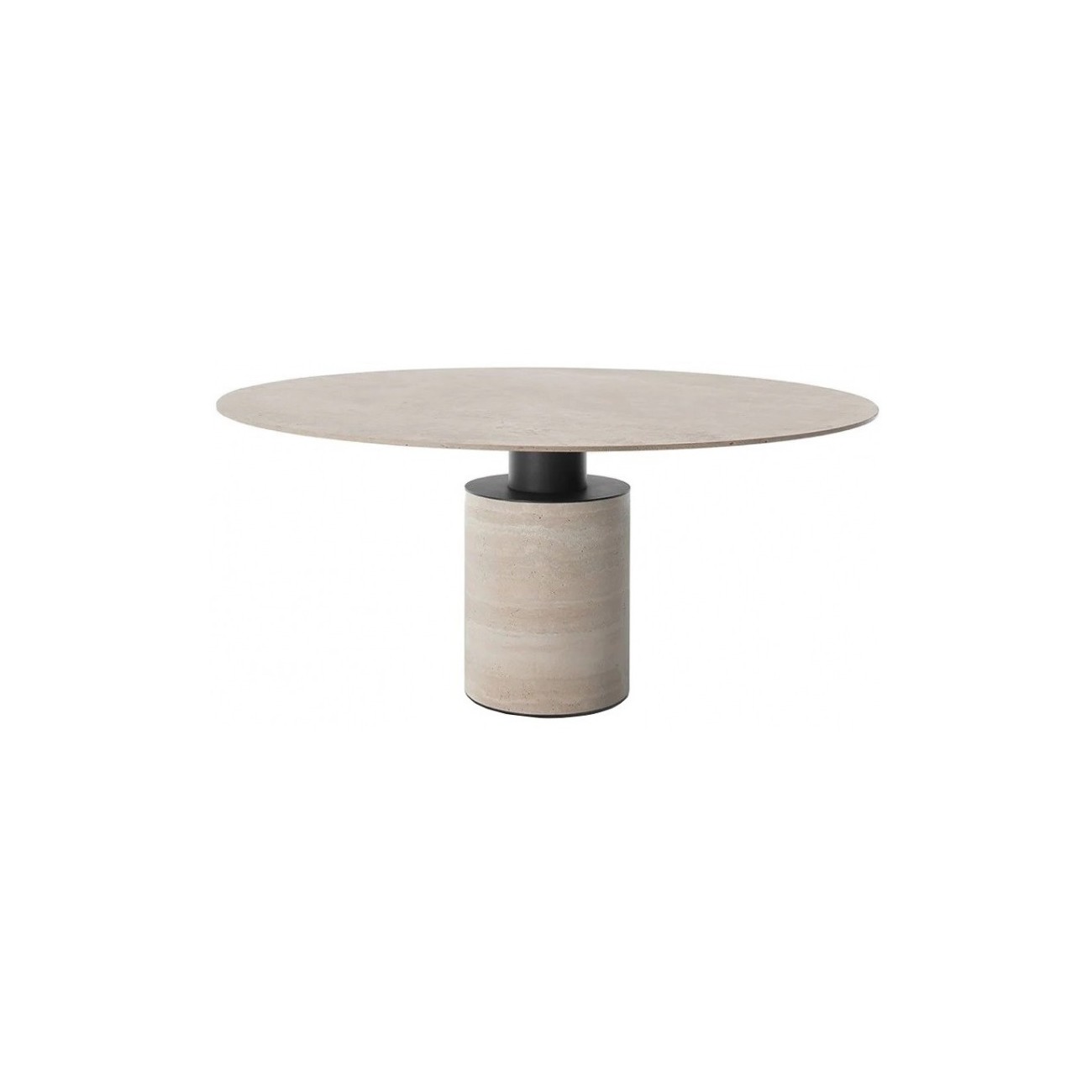
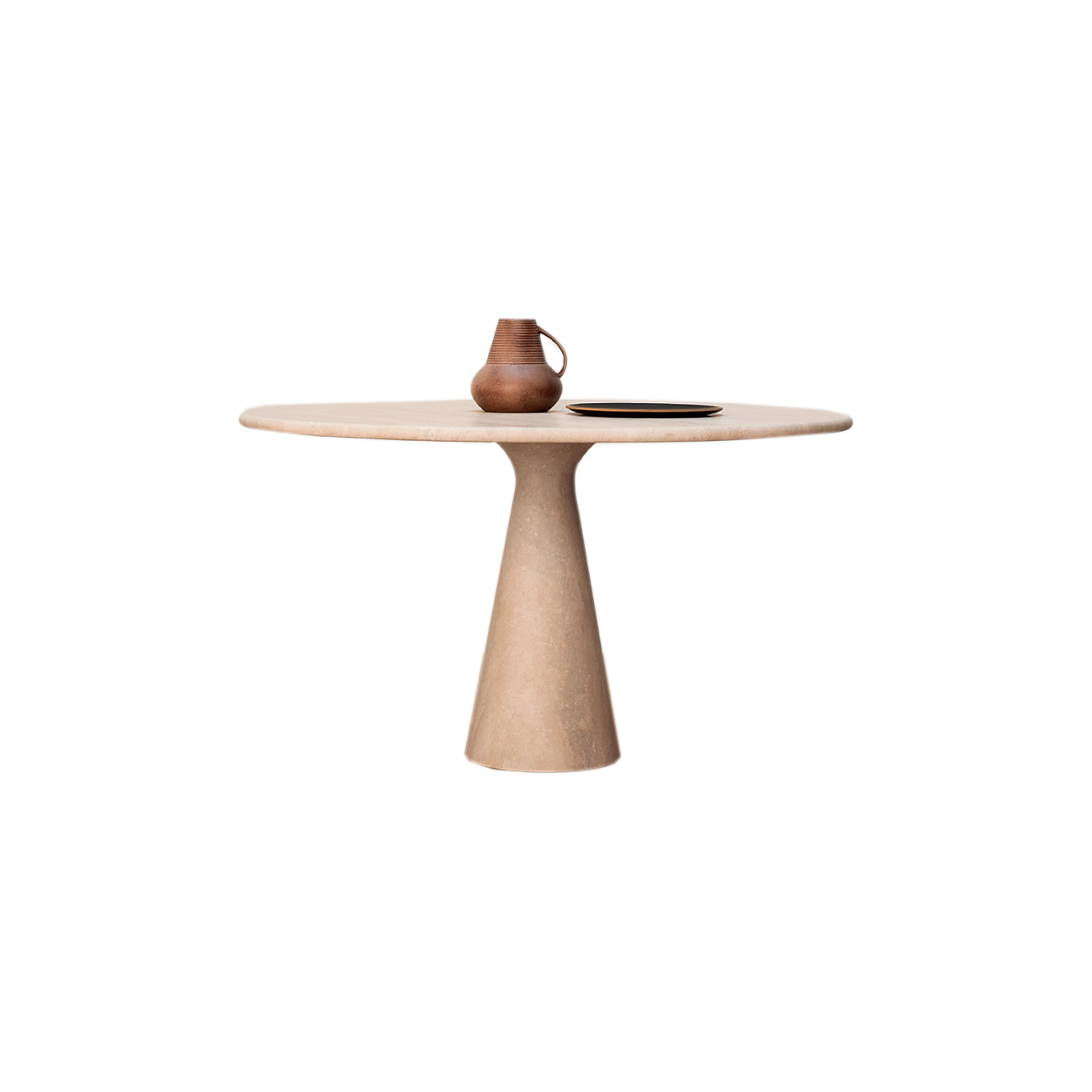
Tables Acerbis ACERBIS TAVOLO CRESO IN TRAVERTINO 22382 Creso Travertine by Acerbis, designed by Lella and Massimo Vignelli, crafts top and pedestal entirely from natural travertine in ø130 cm or ø160 cm x H72 cm sizes, with organic veining flowing monolithically for warm, informal dining warmth. View
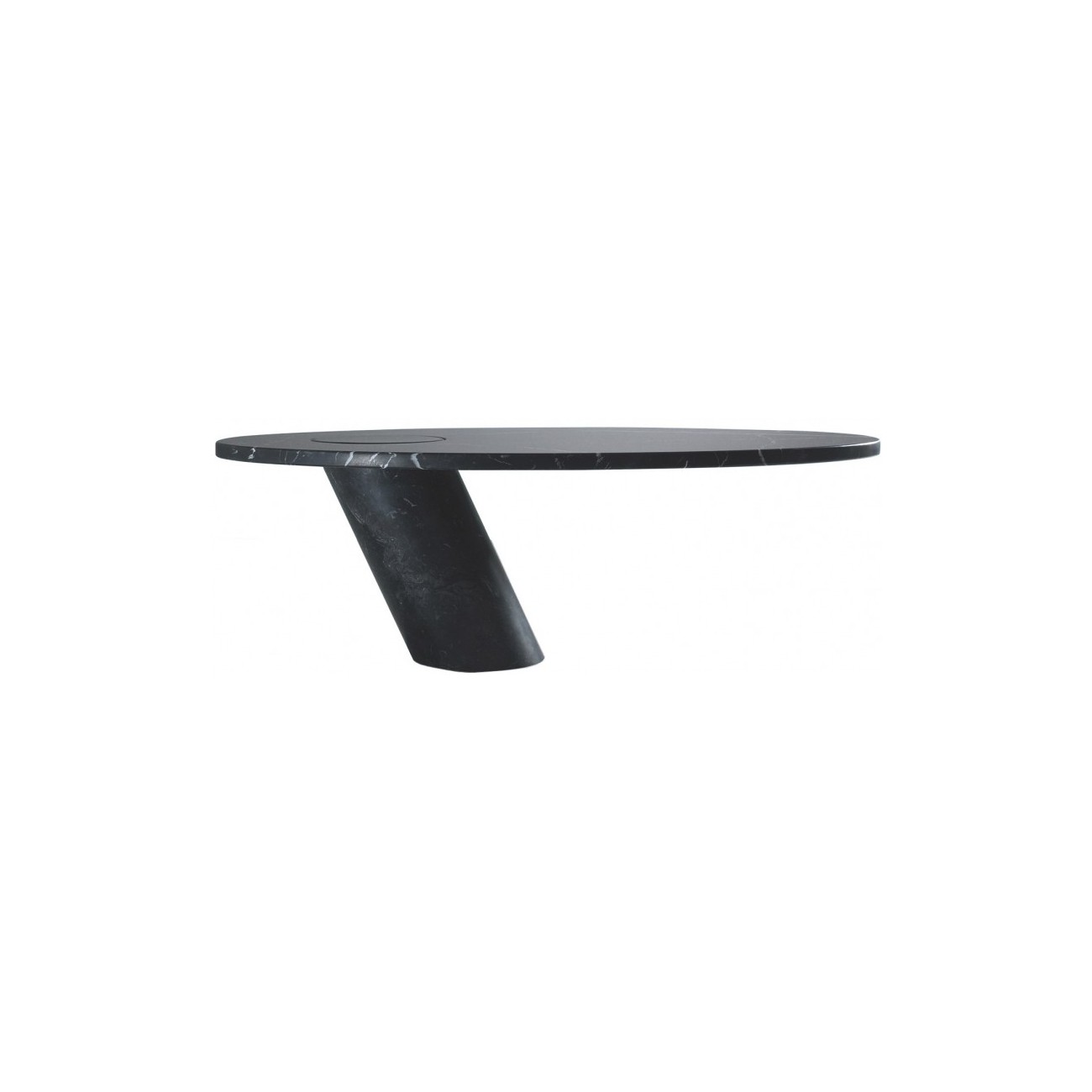
Home Agapecasa AGAPECASA ECCENTRICO TABLE €0.00 The Eccentrico table, designed by Angelo Mangiarotti in 1979 and reissued by Agapecasa, is a marble design masterpiece that explores the concept of the gravity joint. Its defining feature is the elliptical tabletop, which is asymmetrically embedded into an inclined cylindrical leg; the weight of the top, combined with the eccentricity of the joint,... Add to cart
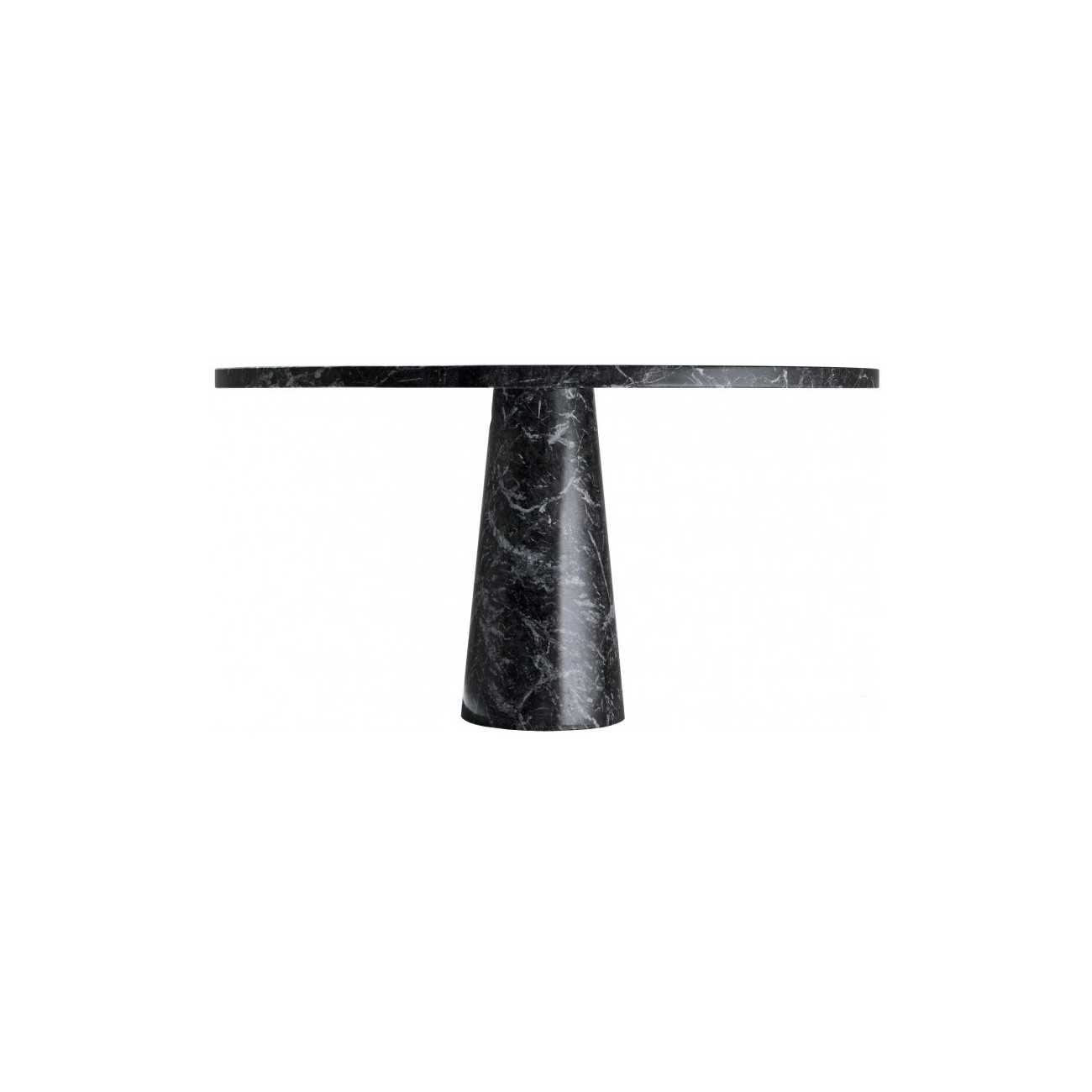
Home Agapecasa AGAPECASA EROS ROUND TABLE €0.00 Eros, designed by Angelo Mangiarotti in 1971 and reissued by Agapecasa, is an iconic system of marble tables that represents a milestone in the research on gravity joints. The round table is characterized by the coupling between the tabletop and the truncated-cone base, achieved without any mechanical joints or fasteners: the shape of the support itself... Add to cart
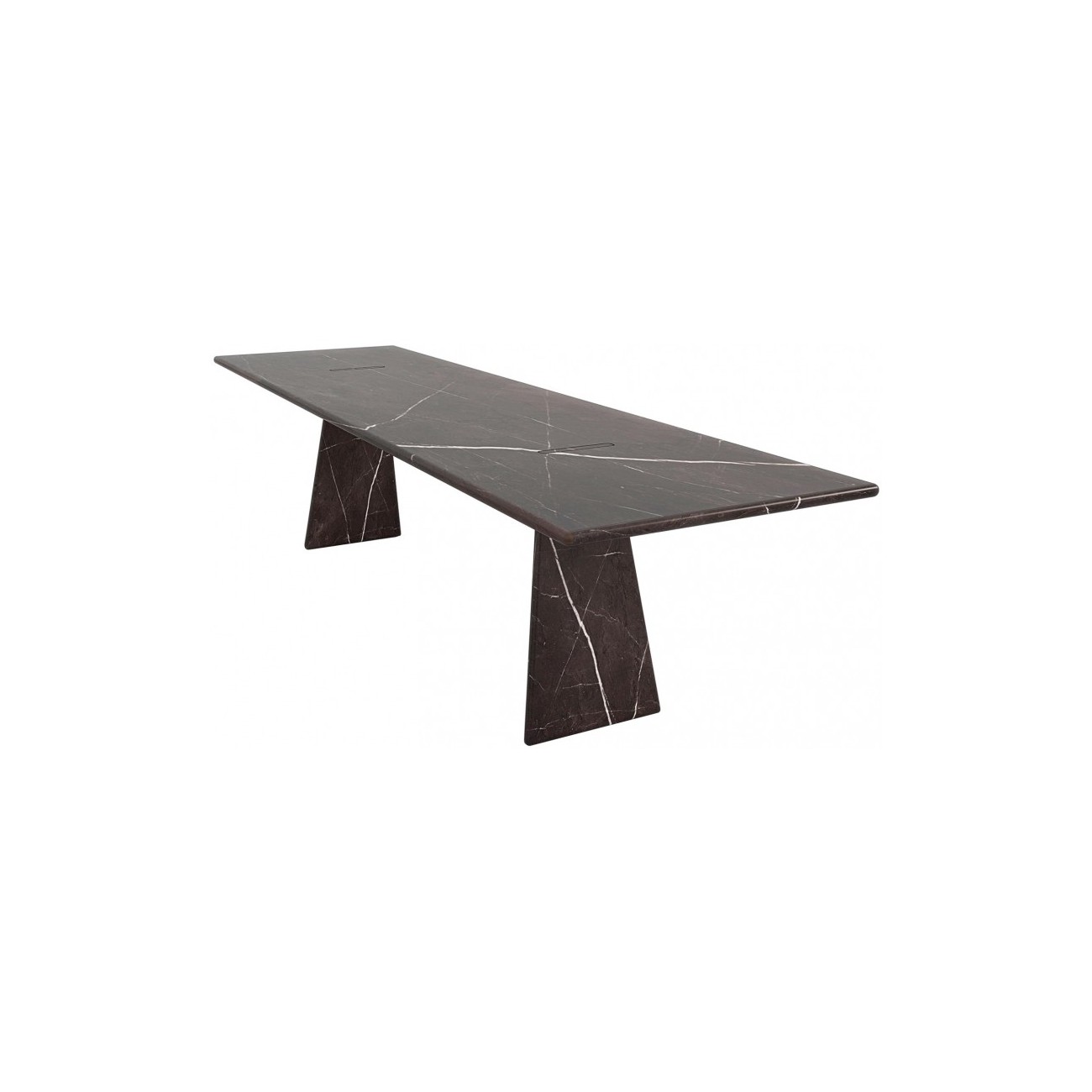
Home Agapecasa AGAPECASA ASOLO TABLE €0.00 Asolo, designed by Angelo Mangiarotti in 1981 and reissued by Agapecasa, represents the third milestone in the master's research on gravity joints, evolving the concepts expressed with Eros (1971) and Incas (1978). The table is distinguished by the extreme thinness of its forms: the tabletop features two "slots" (hence the name, which means "eyelet") into... Add to cart
Home Agapecasa AGAPECASA COMPENSATO TABLE €0.00 Compensato, designed by Angelo Mangiarotti in 1953 and reissued by Agapecasa, is an iconic collection of tables made of birch plywood. The system is distinguished by the use of thin elements that, thanks to the curvatures to which they are subjected, stiffen, providing stability and resistance to an extremely lean structure. The characteristic tapered... Add to cart
Home Agapecasa AGAPECASA SK207 ROUND TABLE €0.00 SK207, designed by Angelo Mangiarotti in 1959 and reissued by Agapecasa, is a round table that represents a sculptural work of art, masterfully combining engineering and design. The distinguishing feature is the conical bronze base, created using the ancient and refined technique of lost-wax casting — usually reserved for artistic sculpture — with a... Add to cart
Home Agapecasa AGAPECASA MORE TABLE €0.00 More, designed by Angelo Mangiarotti in 1989 and reissued by Agapecasa, represents the final and conceptually most advanced evolution of a twenty-year research project by the master on gravity joints, already explored in the famous Eros, Incas, and Asolo models. Unlike its predecessors, which used stone supports, More introduces steel legs (truncated-cone... Add to cart
Home Agapecasa AGAPECASA M ROUND TABLE €0.00 The M table, designed by Angelo Mangiarotti in 1969 and reissued by Agapecasa, is a design icon that marks a fundamental moment in the master's career: it is indeed his first project in which marble is used for the creation of furniture intended for the home environment. The structure is made entirely of marble and is characterized by a turned central... Add to cart
Home Agapecasa AGAPECASA INCAS TABLE €0.00 Incas, designed by Angelo Mangiarotti in 1978 and reissued by Agapecasa, represents the evolution of the famous Eros system. While Eros is characterized by curved forms and circular couplings, Incas translates the same constructive intuition of the gravity joint into a square and geometric form. It consists of square tabletops and truncated-pyramid legs... Add to cart